

Research
Understanding the Science of How We Heal
The Center for Comprehensive Healing advances rigorous research to identify what truly works in healing. By analyzing gaps in existing literature and studying both ancient practices and emerging modalities, we build the scientific foundation for whole-person care.
Our research is designed to:
Validate Interventions – Evaluate integrative therapies for safety, efficacy, and long-term impact.
Illuminate Mechanisms – Explore the biological, neurological, and psychological pathways that underlie healing.
Activate Change – Translate findings into practitioner education, community implementation, and evidence-based adoption at scale.

We welcome collaboration with researchers, practitioners, and organizations committed to advancing healing. Donate to support CCH research, or contact us to learn how to get involved.
Donate to support CCH research, or contact us to learn how you can get involved.
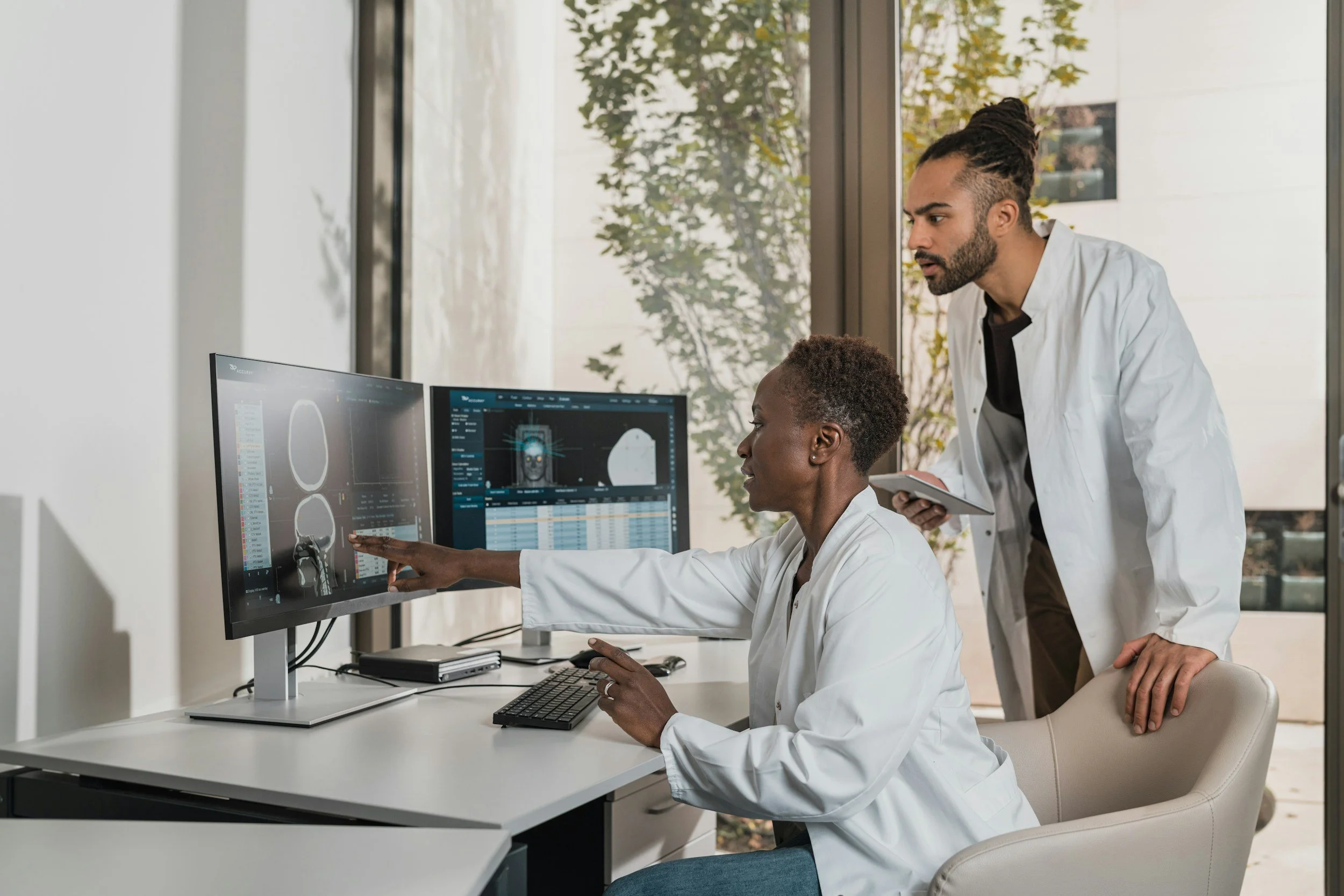
Multi-Modal Assessment Platform (MindMAP)
Healing treatments for the mind and body can affect people in very different ways. Because outcomes vary, we need better tools to understand what’s working, why it works, and who is most likely to benefit.
Emerging research suggests that combining methods such as brain imaging, gut health analysis, wearable sensors, and smartphone-based measures can provide a more complete picture of how interventions influence the body and mind. These data can reveal changes in brain activity, stress physiology, and behavior—helping clinicians and researchers better understand and personalize care.
Our Multimodal Assessment Platform (MindMAP) integrates these tools to reliably measure biological change alongside real-world clinical outcomes. The goal is to support more effective, personalized healing treatments and accelerate learning across modalities.
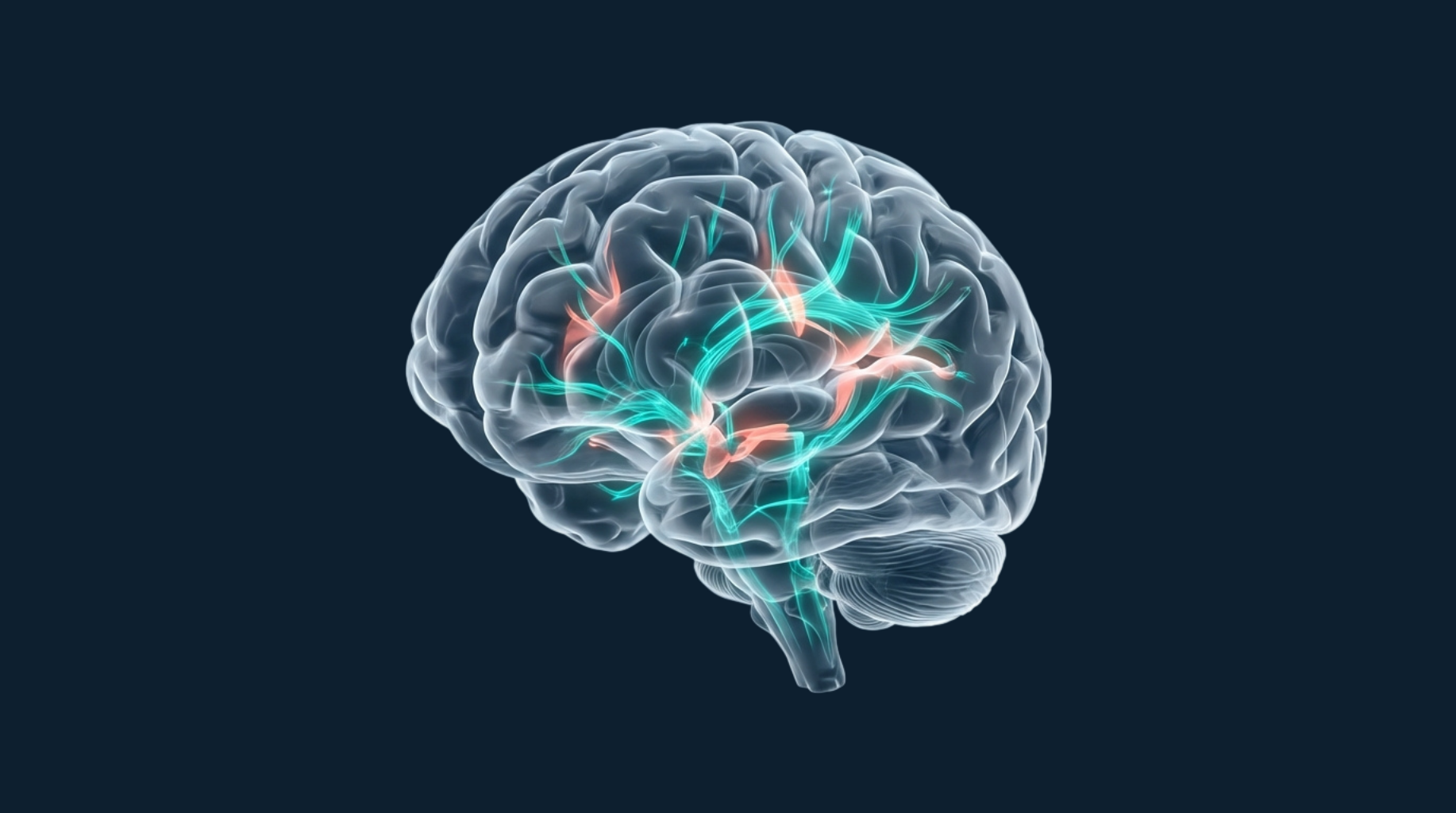
Network-Based Neurofeedback + Mindfulness for Repetitive Negative Thinking
This study investigates whether mindfulness training paired with network-based real-time neurofeedback (mbNF) improves outcomes compared to sham feedback in adolescents at risk for serious mental illness. We will assess changes in default mode network (DMN) connectivity, mindfulness practice over three months, and repetitive negative thinking (RNT) immediately post-training (primary outcome) and at 1-, 3-, and 12-month follow-ups.
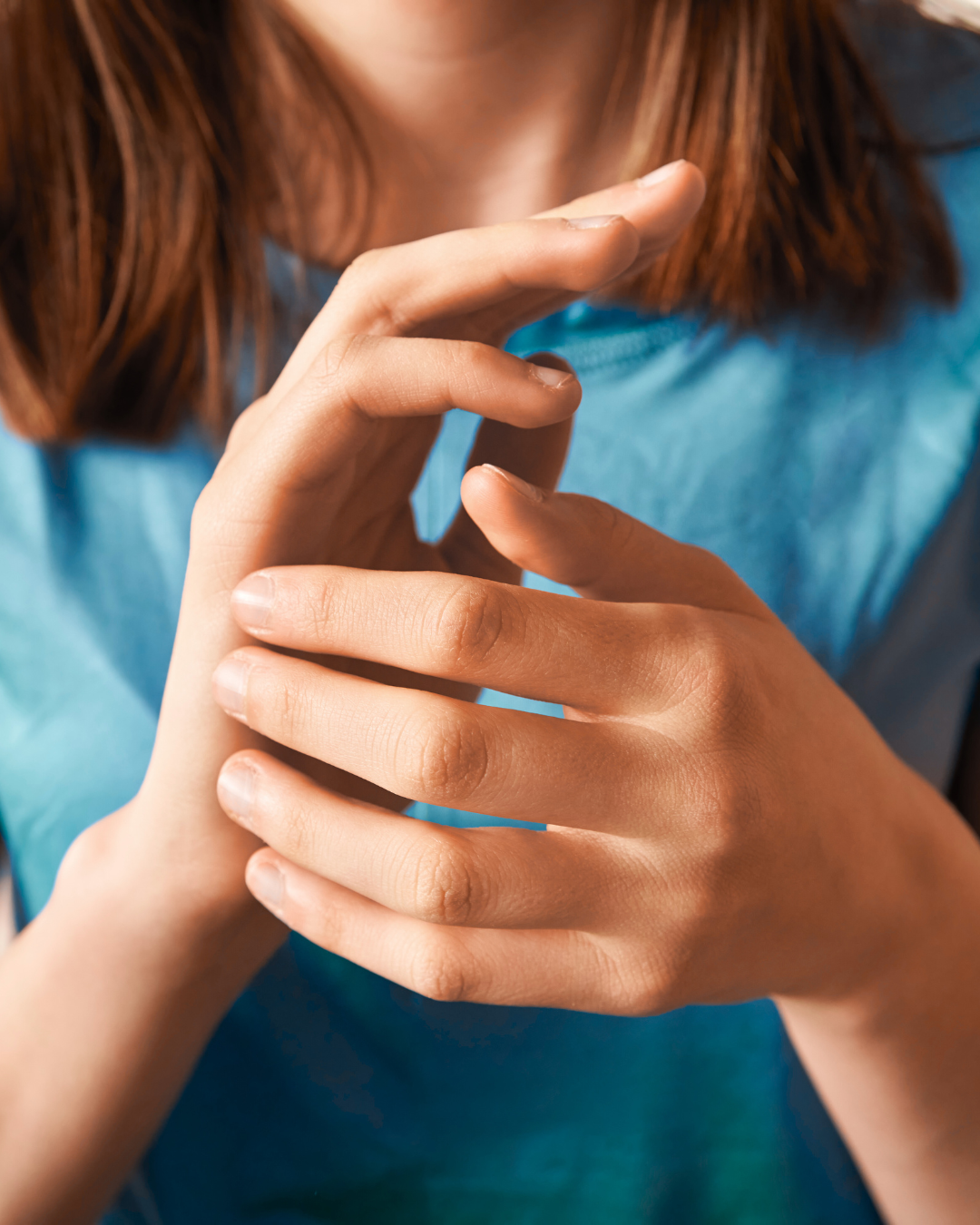
Acupoint Tapping for Repetitive Negative Thinking
This study examines whether a two-week acupoint tapping intervention delivered via a mobile app is associated with biological, neural, and behavioral changes in individuals with depression and/or anxiety. Twenty participants (ages 16–65) will complete daily sessions using The Tapping Solution app, with assessments before and after the intervention. Primary outcomes include changes in repetitive negative thinking (RNT) and salivary cortisol, with the hypothesis that both will decrease. Exploratory outcomes include shifts in psychiatric symptoms and DMN connectivity measured through functional neuroimaging.
MGB Thought Leaders
We’re incredibly grateful for collaborators across the MGB system who share their time and expertise to move CCH research forward.
-
Justin Baker, MD, PhD
-
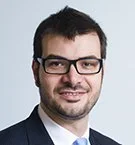
Joan Camprodon-Gimenez, MD, PhD, MPH
-

Sue Carter, PhD
-

Alessio Fasano, MD
-

Ted Katpchuk
-

Elizabeth Lawson, MD, MMSc
-
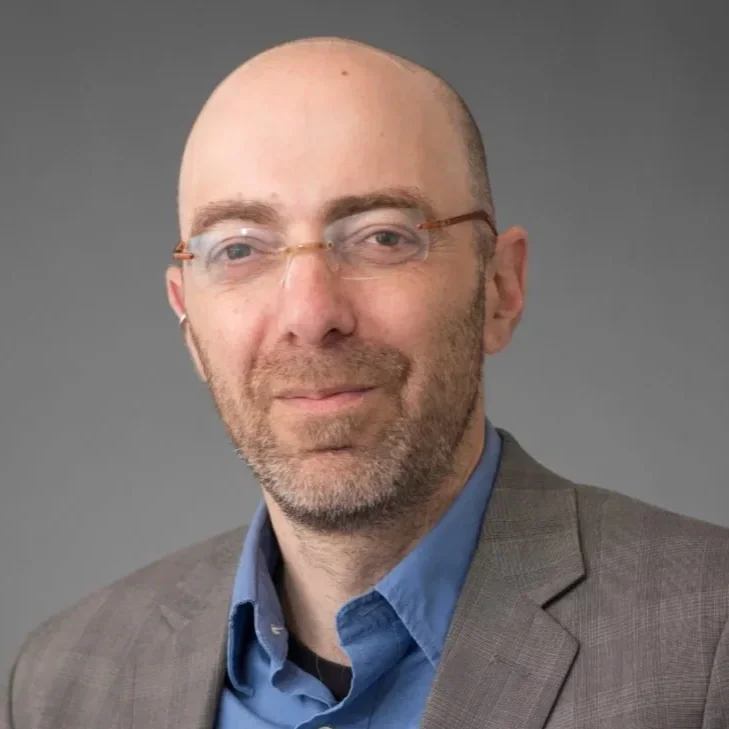
Vitaly Napadow, PhD
-
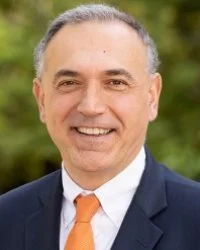
Dost Ongur, PhD
-
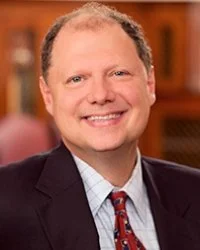
Kerry Ressler, PhD
-

Christian A. Webb
Consultants
CCH research is also supported by consultants from institutions nationwide who lend their expertise to strengthen and advance this groundbreaking work.
-
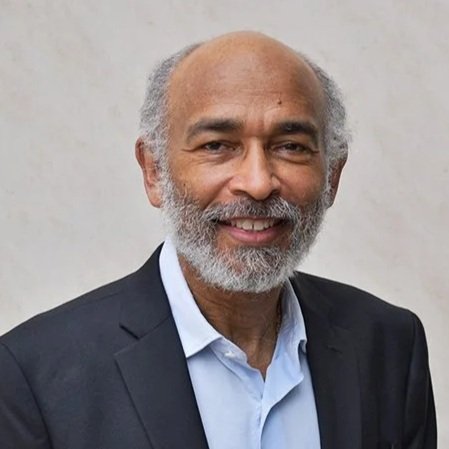
Emery Brown, MD, PhD
-

Dina Katabi, PhD
-

Martin Picard, PhD
-

Tor Wager, PhD