


Healing Training Grants
$500–$20,000 for Mass General Brigham clinicians and staff pursuing training in whole-person healing — from acupuncture to biofeedback to nutrition.
Applications for the 2026–2027 cycle are open now through September 18, 2026.
The CCH offers Healing Training Grants, a funding opportunity for MGB clinicians and staff across the MGB system.
The goal of this initiative is to expand the capacity of MGB clinicians and staff to deliver whole-person care. By supporting evidence-informed training opportunities, the program encourages the integration of holistic approaches throughout the MGB system of care.
These grants help cover the costs of professional training in healing practices. Funding may be used to support an individual's own training (Track A) or a program that brings training to others within the MGB system (Track B).
2026–2027 Grant Cycle: Now Accepting Applications
The Center for Comprehensive Healing is now accepting applications for the second cycle of the Healing Training Grant. This funding supports Mass General Brigham clinicians and staff pursuing training in whole-person healing practices — whether as individual development (Track A) or as a program you design and deliver to others within MGB (Track B).
Eligible practices include, but are not limited to acupuncture, yoga, tai chi, qigong, meditation, breathwork, Reiki, healing touch, energy healing, sound healing, music therapy, art therapy, nutrition, integrative therapies combined with pharmacotherapy, and biofeedback.
-
$500–$20,000
-
Mass General Brigham clinicians and staff, individually or in groups
-
September 18, 2026
-
-
Jennifer McNaboe, MPH jmcnaboe@mgh.harvard.edu
How To Apply
Track A
Individual or Small Group Training: for your own professional development in a healing modality.
1. Choose Your Track
Track B
Program Design & Implementation: for designing and delivering training to others — your department, unit, or patients.
-
A nurse anesthetist funded to complete Reiki certification training, with the goal of bringing energy healing practices into a perioperative care setting and offering Reiki to patients and colleagues.
A team of bilingual clinicians funded to complete EMDR training, to expand their capacity to deliver trauma-informed psychotherapy to Spanish-speaking patients.
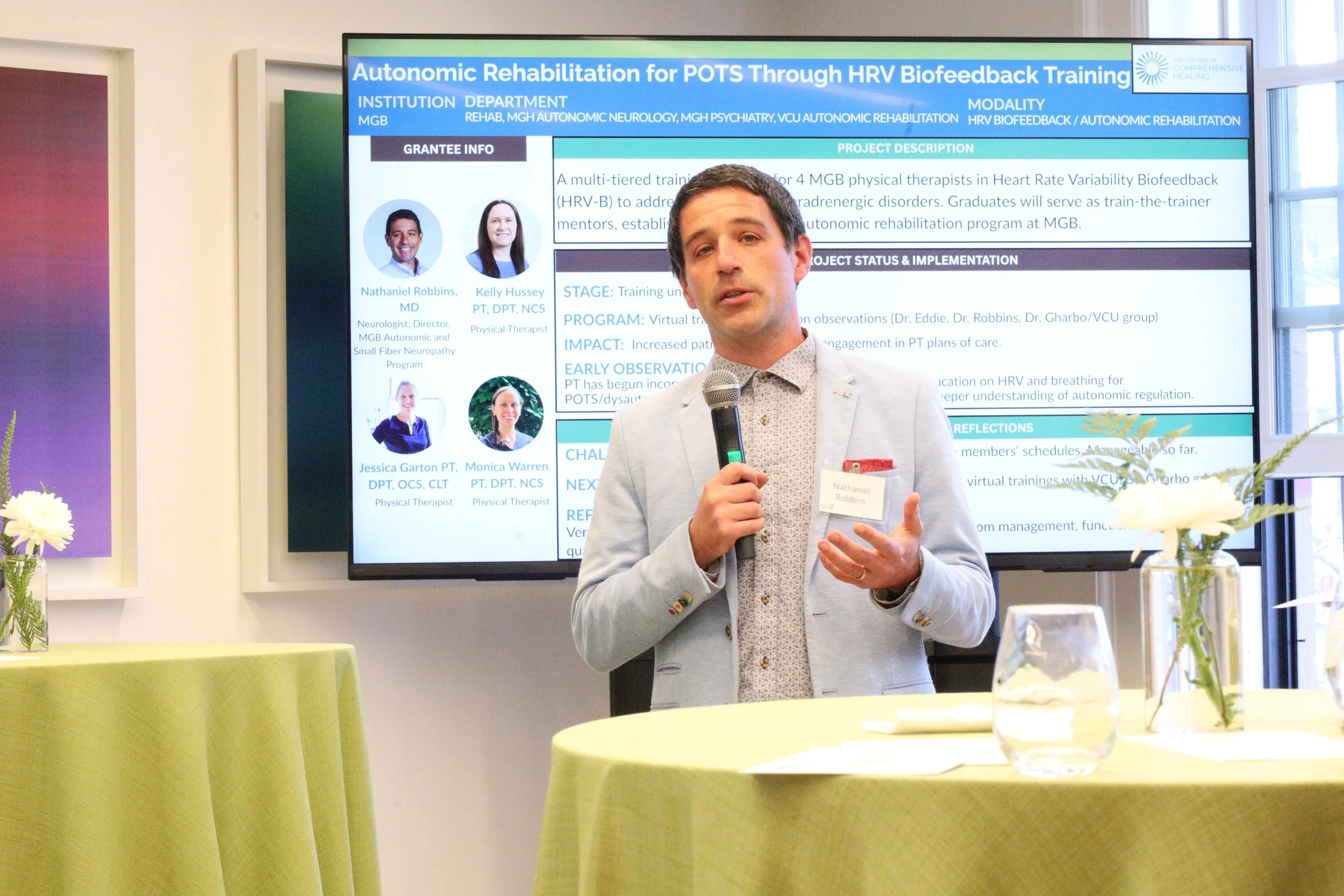
A physical therapy team funded to complete HRV biofeedback training, to build skills in heart rate variability techniques for use with patients with POTS and autonomic dysfunction.
A psychiatry resident funded to complete sound healing certification training, to develop expertise in sound-based interventions for use as an adjunct to psychiatric treatment.
A spiritual care provider funded to complete Somatic Experiencing training, to build expertise in body-based trauma intervention for use in inpatient spiritual care settings.
A team of psychologists and psychology trainees funded to complete a somatic therapy training series, to expand their capacity to integrate body-based approaches into outpatient trauma care.
-
A nurse practitioner funded to design and deliver a nutrition and lifestyle medicine training series for Medical Assistants and Community Health Workers, to build confidence in discussing nutrition and lifestyle interventions with patients from diverse backgrounds.
A bedside nurse funded to develop and deliver a peer wellness program offering on-shift Reiki sessions to fellow nurses, including a structured evaluation protocol to measure impact on stress and burnout.
A team of pediatric hospitalists funded to design and deliver mindfulness and breathwork programming for patients and interdisciplinary unit staff, including development of a replicable training model for future staff members.
A physician faculty development team funded to design and deliver a residential resilience and mindfulness retreat experience for faculty colleagues across an MGB program.
2. Prepare Your Application
Project Summary, Training Description, and Implementation Plan: 2 pages max, single-spaced, 12pt Arial, half-inch margins.
You can view a more in-depth description of submission materials here.
Project Summary
State your track at the top, then cover relevance, feasibility, anticipated impact, and reach (how many people you expect to reach in years one and two).
Applications with a structured plan to assess impact — on patient outcomes or clinician/caregiver burnout — are given preference.
Training Description
Program name, content, provider, certifications, and associated costs.
Implementation Plan
How the training will be integrated into your work, your workflow for reaching patients/staff, and how you'll define success.
3. Budget
Budget Justification
A detailed, itemized budget plus a written justification describing the need for each line item.
Travel costs are not an eligible expense.
(1 page max, separate from the narrative)
Letter of Support
Required from your site director or department/program leader, describing the relevance of the training and their support for its integration into your setting.
4. Gather Your Attachments
Team Bios
One paragraph each
(or NIH biosketch, if applicable).
Merge all materials into a single PDF
and email to centerforcomprehensivehealing@mgb.org.
Deadline: September 18, 2026
5. Submit
FAQs
-
When can applicants expect a decision (approval or denial)?
Decisions are typically communicated within 4–6 weeks of the application deadline.Is there a deadline by which awarded funds must be used?
Preference is for the majority of funds to be utilized within one year of distribution. -
Can I apply if my project won't show results for a longer timeframe? What kind of projects is CCH looking for?
Yes — applicants can apply even if results won't be visible for an extended period, but the proposal needs to fully explain and justify why that timeline is necessary.Can multiple individuals or departments from the same site apply — and does that affect award chances?
Yes, multiple individuals can apply from one site. While CCH likes to award across a wide array of sites, having multiple applicants from the same site does not directly impact award chances.Does a Track B pilot need to recruit participants only from my home department/unit, or can it be open to staff system-wide?
Recruitment can be system-wide. The proposal should describe how the applicant plans to reach and recruit participants across the broader system.Is CCH considering budgeting admin time to help awardees use their funds?
Grant funds can be arranged to cover admin time, with a few key considerations: the proposal needs to identify who will do this work, how, why it is necessary, and at what rate they'll be compensated. There also needs to be clear support from supervisors, and grantees are responsible for initiating one-time payment requests. Programs with heavy administrative overhead are not ideal.Does being a smaller or community-based program hurt an applicant's chances?
Program size is weighed, but proposals are evaluated on need, quality, and fit — smaller community-based programs still are competitive.
-
If an applicant pays a deposit/tuition out of pocket before award decisions are released, is that amount eligible for retroactive reimbursement if selected?
Retroactive reimbursement is possible, but it's a risk — if the applicant pays upfront and is not ultimately awarded, that expense isn't covered. It's a personal risk-tolerance decision.Are funds disbursed directly to awardees, or does CCH pay training organizations directly?
Funds work as reimbursement, not direct payment. Awardees pay out-of-pocket first, then submit for reimbursement through the standard financial system using the Center's cost center. -
May Track B funds compensate the applicant's own time (development, prep, teaching, evaluation, reporting)?
Yes, but it must be clearly laid out. First determine whether this work falls within the applicant's existing FTE. If not, supervisor approval is needed for a one-time payment covering time outside the regular role, structured so it doesn't overlap with existing compensation — with hours, pay, and justification specified. Programs with heavy administrative overhead are not ideal.If funds can't support applicant compensation, is the department expected to provide paid/protected time instead?
The letter of support should confirm the chosen arrangement, including supervisor approval if the work is absorbed into an existing FTE.Should the letter of support specifically confirm protected time?
Yes — it should support whichever compensation/time arrangement the applicant lands on.Can funds compensate a collaborating instructor or outside facilitator?
Yes. Either the applicant pays and seeks reimbursement, or the instructor is set up as a vendor for direct payment.Are food/ingredients for hands-on nutrition training an eligible expense?
Yes, but the proposal must explicitly explain why they're essential to the training, not just incidental.
2025 Grant Recipients
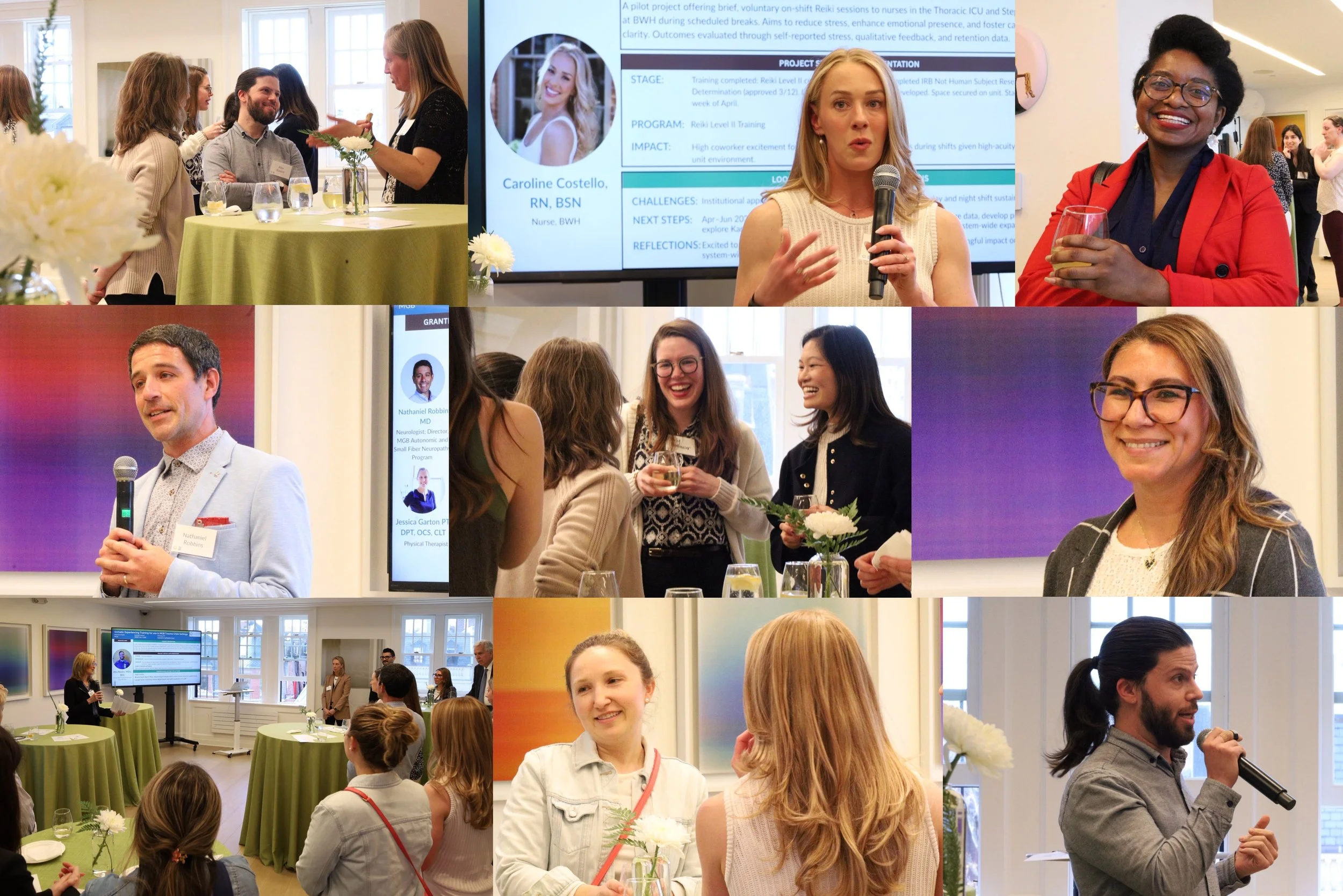
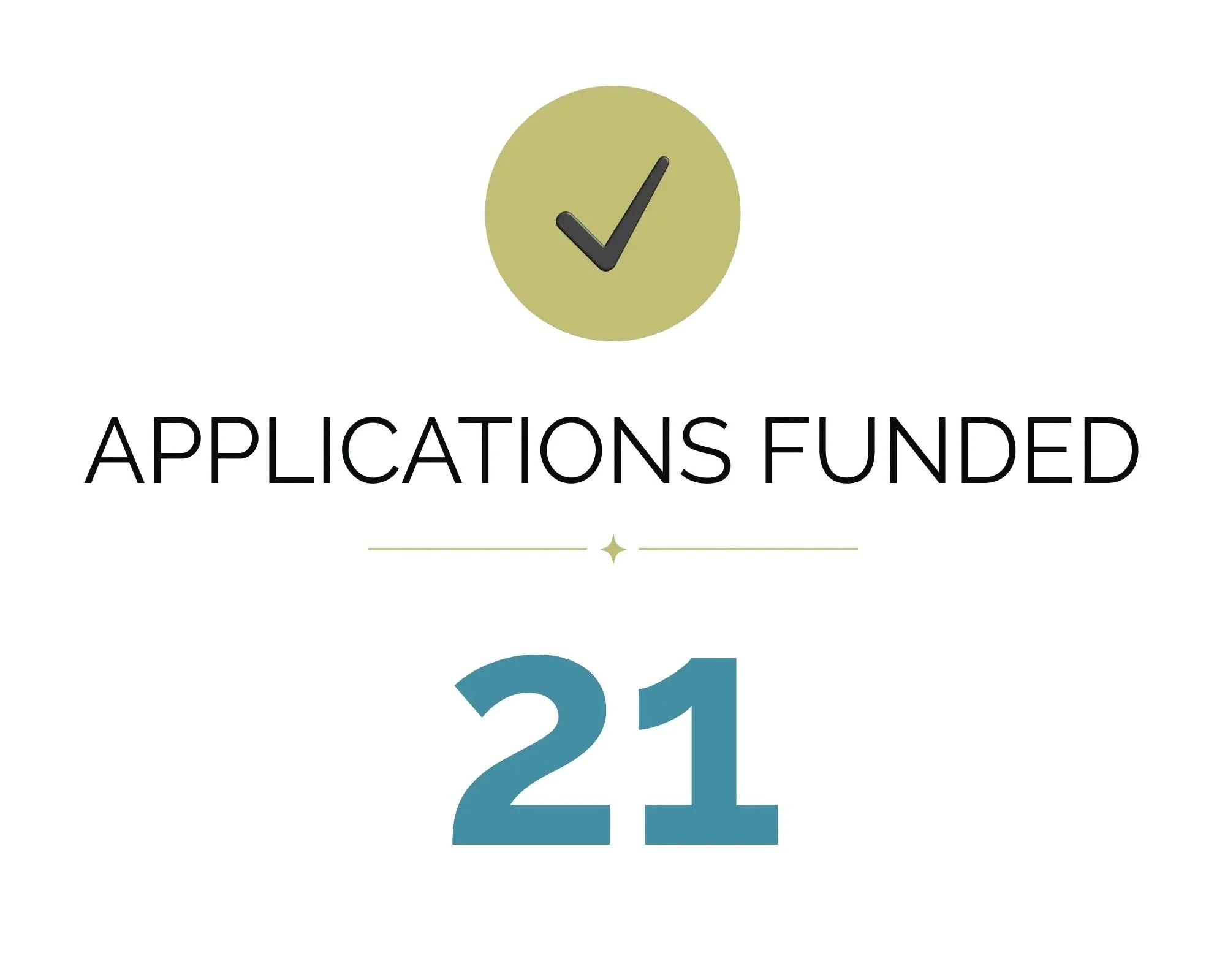
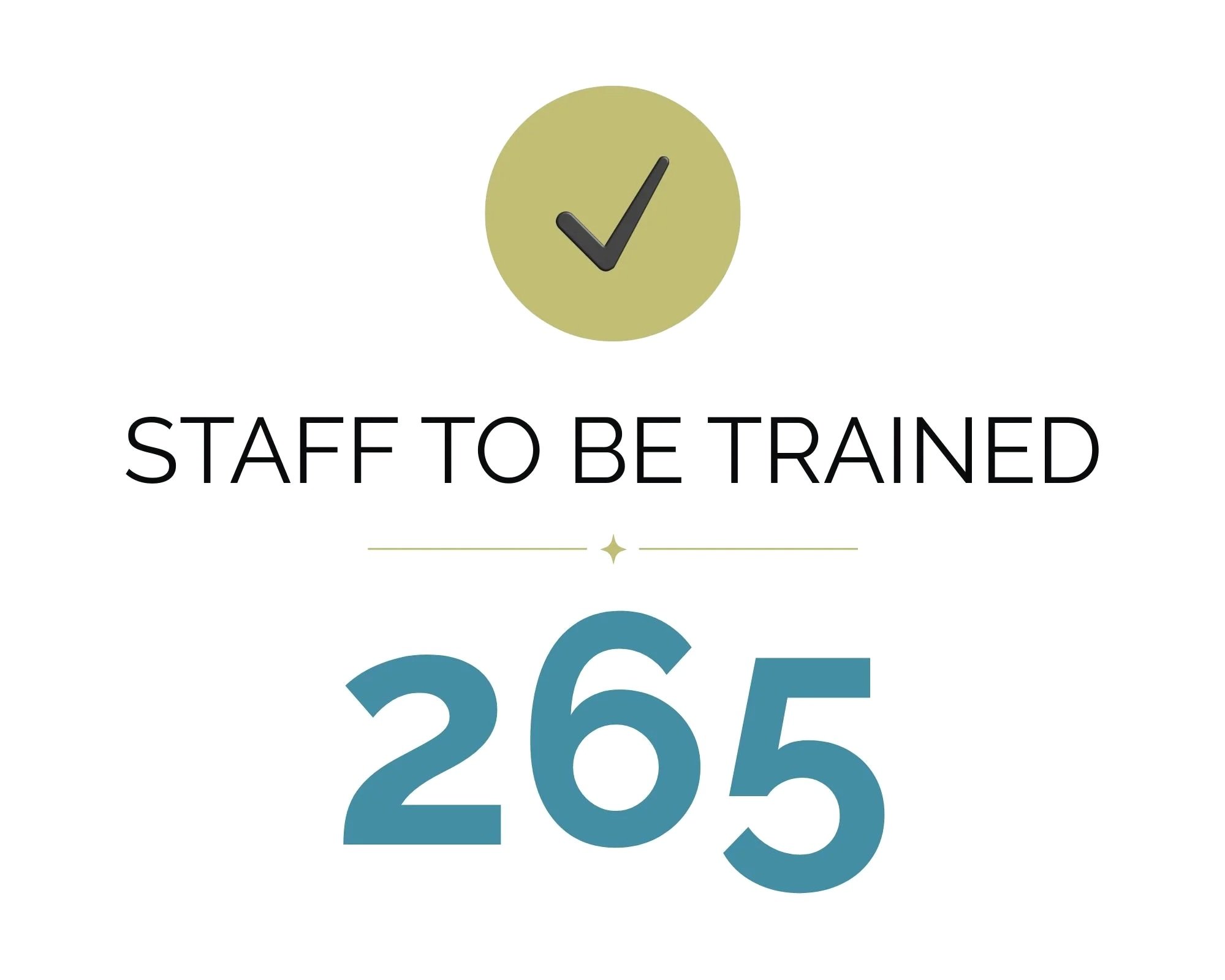
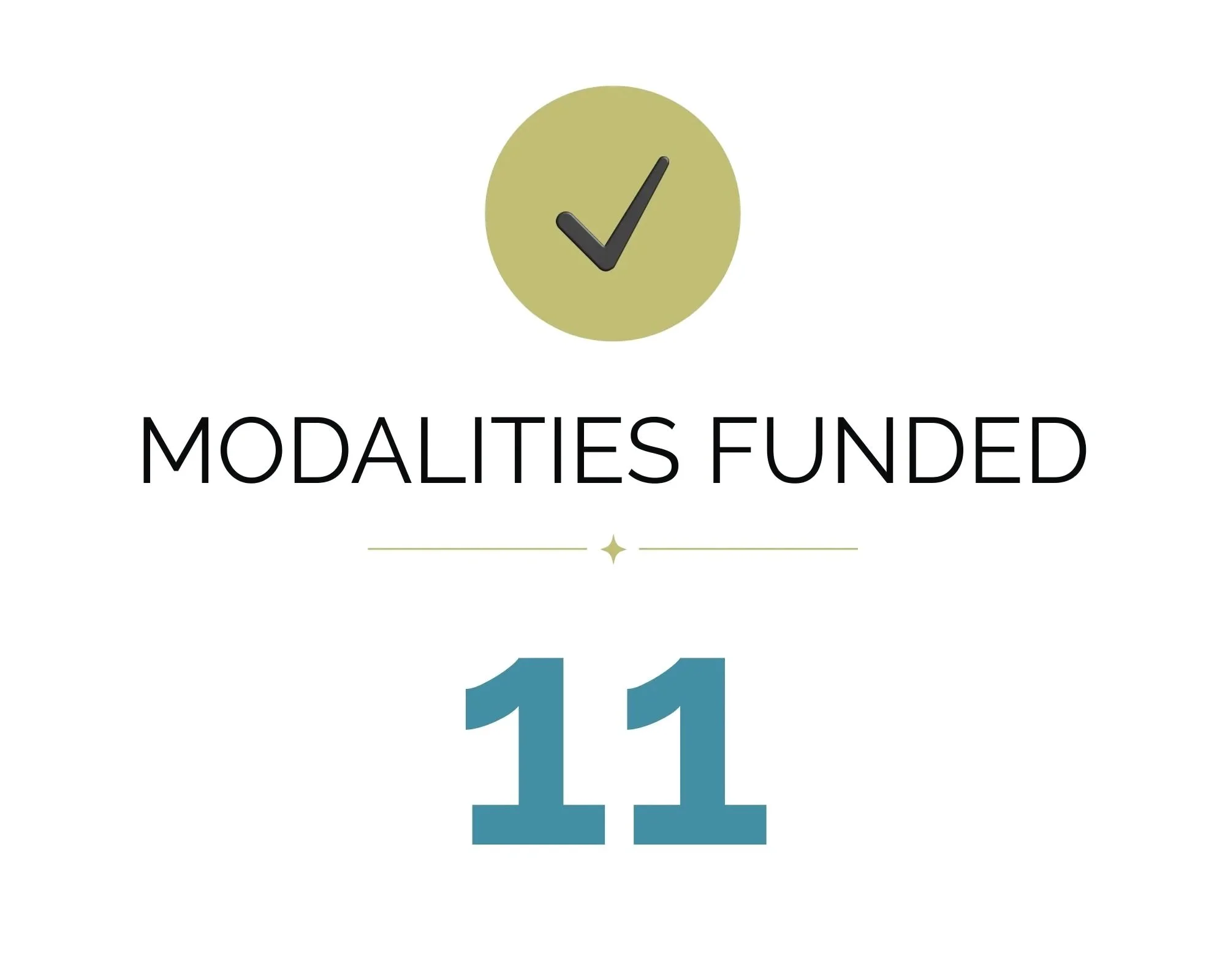
In 2025, CCH awarded its first cohort of Healing Training Grants in response to strong interest across the Mass General Brigham network.
Below are the projects funded in Year 1. See them as inspiration, not a template. We welcome ideas that reflect your unique role and goals within the Mass General Brigham system.
Reiki Resilience: On-Shift Energy Healing for Nurse Wellbeing
Somatic Experiencing Training for Use in MGB Trauma Crisis Settings
La Comida Como Medicina: A Healing-Centered Culinary & Lifestyle Medicine Training Series
Rewilding Summit at Kripalu Center for Yoga and Health for Implementation at McLean's Ketamine Clinic
Sound Healing to Support Emotional Processing in Clinical Care
Medicine of Sound Healing and Somatic Breathwork at Kripalu Institute
Autonomic Rehabilitation for POTS Through HRV Biofeedback Training
BCIA-Accredited Biofeedback Training Program to Complement Active NIH K23
Somatic Therapy Training for Trauma-Informed, Healing-Centered Care
EMDR Training for Ten Bilingual Clinicians in the MGH Hispanic Psychiatry Clinic
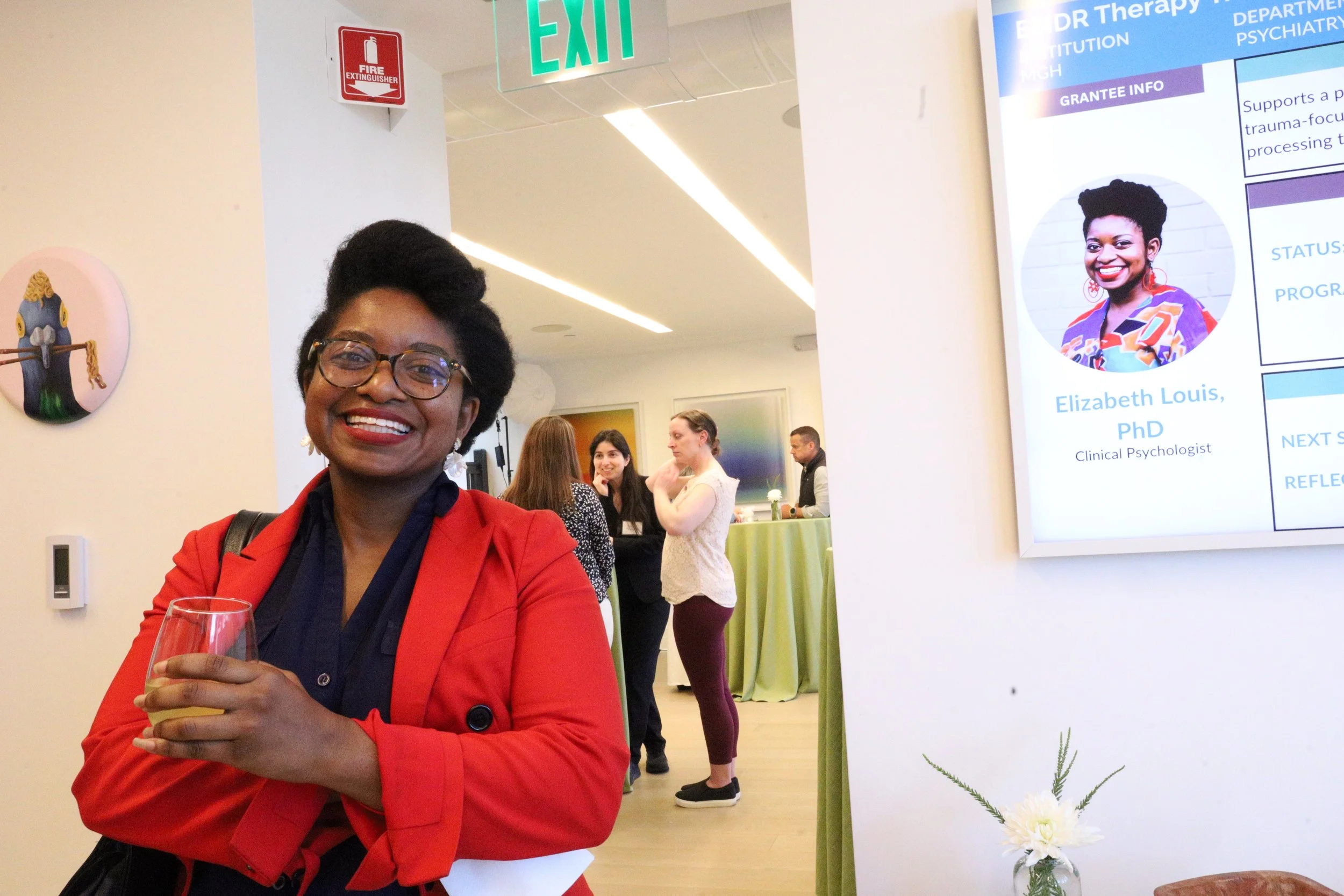
EMDR Therapy Training to Expand Trauma-Informed Therapy Access
Trauma-Sensitive Yoga Foundational Training at Kripalu
Neurologic Music Therapy Training for a Virtual Aphasia Rehabilitation Group
KAP Training for Trauma-Informed Depression Care
RISE Training for MGB ELEVATE Faculty
Integration of Reiki Training for Nurses across MGB
Reiki Level I Certification Training
300-Hour AcuMed Medical Acupuncture Training Course
Dharma Moon Full 100-Hour Advanced Meditation Teacher Training
200-hour Yoga Teacher Training Program at the Kripalu Center for Yoga & Health
Yoga & Mindfulness for Children Training for Clinicians
Ready to apply?
Applications are due September 18, 2026. Review the full funding opportunity, choose your track, and submit your complete application — merged into a single PDF — to centerforcomprehensivehealing@mgb.org.